Electrical problems can be a real headache for homeowners and business owners alike. From flickering lights to circuit breakers that keep tripping, these issues can be not only frustrating but also potentially dangerous if not addressed properly. In this comprehensive blog post, we’ll explore some of the most common electrical problems you may encounter and provide practical, step-by-step guidance on how to fix them safely.
Maintaining a well-functioning electrical system is crucial for the safety and comfort of your home or business. Ignoring electrical problems can lead to fire hazards, shocks, and other serious consequences. By understanding the root causes of these issues and learning how to troubleshoot and resolve them, you can keep your electrical system running smoothly and avoid costly professional repairs.
Throughout this post, we’ll cover a range of common electrical problems, from overloaded circuits and faulty outlets to outdated wiring and malfunctioning light fixtures. We’ll also provide important safety tips to ensure you can tackle these problems without putting yourself or your property at risk. So, let’s dive in and equip you with the knowledge and skills to handle your electrical challenges with confidence.
Overloaded Circuits
One of the most frequent electrical problems homeowners face is overloaded circuits. This occurs when too many devices or appliances are plugged into a single circuit, causing it to become overwhelmed and potentially tripping the circuit breaker. Overloaded circuits can lead to flickering lights, warm outlets, and even the risk of fire.
To identify an overloaded circuit, look for signs such as:
- Frequently tripping circuit breakers
- Outlets or light switches that feel warm to the touch
- Lights that dim or flicker when other appliances are turned on
If you suspect an overloaded circuit, the first step is to unplug any unnecessary devices and appliances from that circuit. This will help to reduce the load and prevent the circuit from tripping. You can then try resetting the circuit breaker by turning it off and then back on.
If the problem persists, it’s likely that the circuit is simply not equipped to handle the electrical demand. In this case, you may need to consider installing additional circuits or upgrading your electrical panel to accommodate your home’s growing power needs. This is a job best left to a licensed electrician, as it involves modifying your home’s electrical system.
Faulty Outlets
Malfunctioning outlets are another common electrical issue that homeowners encounter. Faulty outlets can be caused by a variety of factors, including:
- Loose connections
- Overuse or wear and tear
- Moisture or water damage
- Outdated or outdated wiring
Signs of a faulty outlet include:
- Outlets that don’t hold plugs securely
- Outlets that spark or emit a burning smell
- Outlets that don’t provide power to connected devices
If you come across a faulty outlet, it’s important to address the problem as soon as possible to prevent the risk of electric shock or fire.
To fix a faulty outlet, you can try the following steps:
- Turn off the power to the outlet at the circuit breaker.
- Remove the outlet cover and inspect the connections. Tighten any loose screws or wires.
- If the outlet is damaged or worn, replace it with a new one. Be sure to match the outlet type (e.g., 3-prong, GFCI) and ensure the new outlet is compatible with your home’s electrical system.
- If the problem persists or you’re unsure of the cause, it’s best to consult a licensed electrician, as they can thoroughly diagnose and repair the issue.
Remember, working with electrical components can be dangerous, so always prioritize safety and consider calling a professional if you’re not comfortable performing the repairs yourself.
Flickering or Dimming Lights
Flickering or dimming lights can be another frustrating electrical problem. This issue can be caused by a variety of factors, including:
- Loose connections in the light fixture or wiring
- Outdated or faulty light bulbs
- Issues with the electrical panel or circuit breakers
- Voltage fluctuations in the electrical system
To troubleshoot flickering or dimming lights, start by inspecting the light fixture and the bulbs. Check for any loose connections or damaged wiring, and replace any faulty bulbs. If the problem persists, you may need to check the circuit breaker or the electrical panel.
If the issue is with the circuit breaker, try resetting it by turning it off and then back on. If the problem continues, the circuit breaker may need to be replaced, which is a job best left to a licensed electrician.
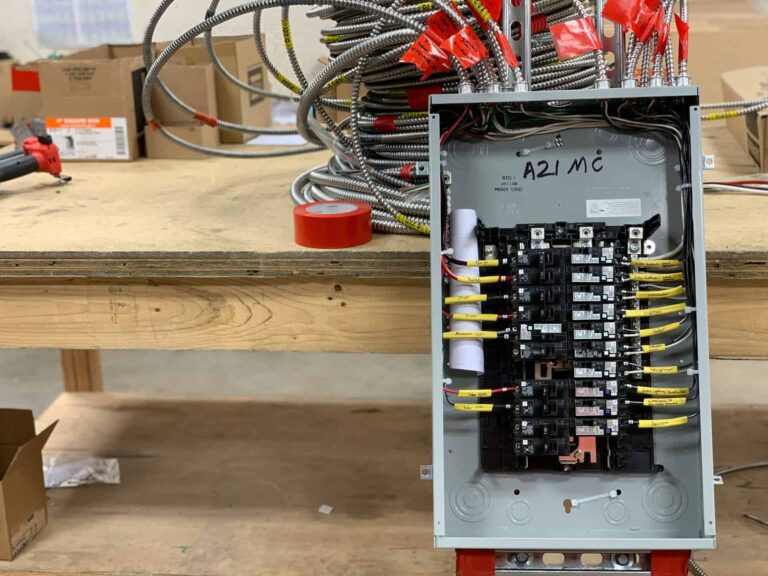
In some cases, the issue may be with the electrical panel itself. Outdated or overloaded electrical panels can cause voltage fluctuations, leading to flickering or dimming lights. If this is the case, you’ll likely need to upgrade your electrical panel to resolve the problem.
It’s important to note that working with electrical panels can be extremely dangerous, and should only be done by a qualified professional. Attempting to modify or repair the electrical panel yourself can result in serious injury or even death.
Malfunctioning Light Fixtures
Another common electrical problem is malfunctioning light fixtures. This can include issues such as:
- Lights that won’t turn on
- Lights that flicker or buzz
- Lights that turn on and off intermittently
There are several potential causes for these problems, including:
- Faulty light bulbs
- Loose or damaged wiring connections
- Issues with the light fixture’s internal components
- Problems with the light switch or dimmer
To troubleshoot a malfunctioning light fixture, start by checking the light bulbs. Replace any burnt-out or damaged bulbs, and ensure they are the correct type and wattage for the fixture.
Next, inspect the wiring connections. Turn off the power to the light fixture at the circuit breaker, and then carefully remove the fixture from the electrical box. Look for any loose, damaged, or frayed wires, and tighten or replace them as needed.
If the issue persists, the problem may be with the internal components of the light fixture, such as the sockets, ballasts, or switches. In this case, you may need to replace the entire fixture, which is a job best left to a professional electrician.
It’s important to note that working with light fixtures can be dangerous, as they are directly connected to your home’s electrical system. If you’re not comfortable performing these repairs yourself, it’s always best to call a licensed electrician to ensure the job is done safely and correctly.
Tripping Circuit Breakers
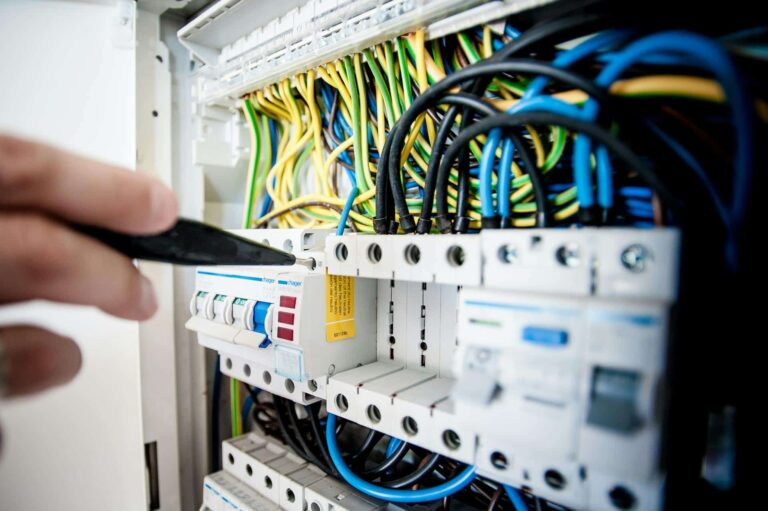
Circuit breakers are designed to protect your home’s electrical system by automatically shutting off the power when an overload or short circuit is detected. However, if your circuit breakers are tripping frequently, it can be a sign of a more serious electrical problem.
Some common reasons why circuit breakers may trip include:
- Overloaded circuits
- Short circuits caused by damaged or faulty wiring
- Ground faults, where electricity is leaking to the ground
- Outdated or malfunctioning circuit breakers
If a circuit breaker keeps tripping, start by identifying the affected circuit and unplugging any unnecessary devices or appliances. This can help to reduce the load on the circuit and prevent it from tripping again.
If the problem persists, you may need to reset the circuit breaker by turning it off and then back on. If the breaker trips again immediately, there may be a more serious issue, such as a short circuit or ground fault.
In these cases, it’s important to avoid resetting the breaker repeatedly, as this can be a fire hazard. Instead, turn off the power to the affected circuit at the main electrical panel and call a licensed electrician to diagnose and repair the underlying problem.
Attempting to repair a circuit breaker or electrical wiring issue yourself can be extremely dangerous and should only be done by a qualified professional. Improper repairs can lead to electric shocks, fires, or other serious safety hazards.
Outdated Wiring
Outdated or faulty wiring is a common electrical problem, especially in older homes. Older homes may have wiring that is no longer up to modern safety standards, increasing the risk of electrical fires, shocks, and other hazards.
Some signs that your home may have outdated wiring include:
- Frequent circuit breaker trips or blown fuses
- Flickering or dimming lights
- Warm or discolored outlets or switches
- The presence of knob-and-tube or aluminum wiring
If your home has any of these issues, it’s important to have a licensed electrician inspect your electrical system and determine if a wiring upgrade is necessary. Attempting to address outdated wiring on your own can be extremely dangerous and should never be attempted by a non-professional.
Upgrading your home’s wiring can be a significant investment, but it’s a crucial safety measure that can protect your property and your family. A professional electrician can assess the condition of your wiring, identify any potential hazards, and recommend the best course of action to bring your electrical system up to modern safety standards.
GFCI and AFCI Malfunctions
Ground Fault Circuit Interrupters (GFCIs) and Arc Fault Circuit Interrupters (AFCIs) are important safety devices that are designed to protect against electrical shocks and fire hazards. However, these devices can sometimes malfunction, leading to a range of electrical problems.
GFCI outlets are typically found in areas with a high risk of moisture, such as bathrooms, kitchens, and outdoor spaces. If a GFCI outlet is malfunctioning, it may trip frequently or fail to provide the necessary protection against electrical shocks.
AFCI breakers, on the other hand, are designed to detect electrical arcing, which can be a precursor to electrical fires. If an AFCI breaker is malfunctioning, it may trip unnecessarily or fail to provide the necessary protection against arc faults.
If you suspect a problem with your GFCI or AFCI devices, it’s important to have them inspected and tested by a licensed electrician. Attempting to repair or bypass these safety devices can be extremely dangerous and should never be done by a non-professional.
In some cases, the issue may be with the wiring or the electrical panel, rather than the GFCI or AFCI device itself. A qualified electrician can diagnose the problem and recommend the appropriate course of action to ensure your home’s electrical system is safe and up to code.
Conclusion
Electrical problems can be a real headache, but with the right knowledge and approach, you can tackle many common issues safely and effectively. By understanding the root causes of problems like overloaded circuits, faulty outlets, flickering lights, and outdated wiring, you can take proactive steps to prevent and address these issues before they become more serious.
Remember, when it comes to electrical work, safety should always be the top priority. If you’re not comfortable performing repairs or modifications yourself, it’s always best to call in a licensed electrician. They have the expertise and training to diagnose and fix electrical problems safely and correctly, ensuring the long-term reliability and safety of your home’s electrical system.
By staying vigilant and addressing electrical problems promptly, you can keep your home or business running smoothly and avoid the potential hazards and costly repairs that can come with neglecting these issues. So, don’t hesitate to take action when you notice any signs of electrical trouble – your safety and peace of mind are worth it.