As a homeowner, ensuring the safety and efficiency of your home’s electrical system is of utmost importance. Over time, electrical systems can become outdated, overloaded, or simply unable to keep up with the growing demands of modern living. Whether you’re building a new home or renovating an existing one, upgrading your electrical system can provide numerous benefits, from improved energy efficiency to enhanced safety and increased home value.
In this comprehensive blog post, we’ll explore the key considerations and steps involved in upgrading your home’s electrical system. We’ll cover topics such as the importance of electrical upgrades, common signs that it’s time to upgrade, the different types of upgrades available, and the process of planning and executing a successful electrical system upgrade. By the end of this article, you’ll have a better understanding of what’s involved and how to ensure your home’s electrical system is up to par.
The Importance of Upgrading Your Home’s Electrical System
Your home’s electrical system is the backbone of your property, powering everything from your lights and appliances to your heating, cooling, and security systems. As technology and energy demands evolve, the electrical system that was once sufficient may no longer be able to handle the increased load. Upgrading your electrical system can provide a range of benefits, including:
Enhanced Safety
Older electrical systems often lack the safety features and capacity to handle the demands of modern living. Outdated wiring, overloaded circuits, and inadequate grounding can increase the risk of electrical fires, shocks, and other hazards. By upgrading your system, you can ensure that your home meets current safety standards and reduce the risk of dangerous electrical incidents.
Improved Energy Efficiency
Upgrading your electrical system can also improve the energy efficiency of your home. Newer electrical components, such as energy-efficient lighting, high-efficiency appliances, and smart home technology, can help you reduce your energy consumption and lower your utility bills.
Increased Home Value
A well-maintained, up-to-date electrical system can be a significant selling point for your home. Potential buyers will be reassured to know that the electrical system has been upgraded and can handle their needs, which can translate into a higher selling price and quicker sale.
Compatibility with Modern Devices
As technology continues to evolve, the electrical demands of our homes have increased significantly. Upgrading your electrical system can ensure that it can accommodate the latest devices, appliances, and technology, allowing you to take advantage of the latest advancements in home automation, energy management, and more.
Signs It’s Time to Upgrade Your Electrical System
Recognizing the need to upgrade your home’s electrical system is the first step in ensuring your property’s safety and efficiency. Here are some common signs that it may be time to consider an electrical system upgrade:
Frequent Tripped Breakers or Blown Fuses
If you find yourself constantly resetting circuit breakers or replacing fuses, it could be a sign that your electrical system is overloaded and struggling to keep up with the demands of your home. This can be a serious safety issue and should be addressed promptly.
Outdated or Inadequate Wiring
Older homes may have outdated wiring, such as knob-and-tube or aluminum wiring, which can be a fire hazard and may not be able to handle the electrical load of modern appliances and devices. If your home was built before the 1970s, it’s a good idea to have an electrician inspect the wiring and determine if an upgrade is necessary.
Flickering or Dimming Lights
Flickering or dimming lights can indicate a problem with your electrical system, such as loose connections, voltage fluctuations, or an overloaded circuit. These issues can be a nuisance and may also pose a safety risk.
Lack of Grounding or Inadequate Outlets
Older homes may lack proper grounding, which is essential for electrical safety and the protection of your devices. Additionally, if you find yourself constantly using extension cords or power strips due to a lack of outlets, it may be time to consider upgrading your electrical system to accommodate your needs.
Outdated or Insufficient Electrical Panel
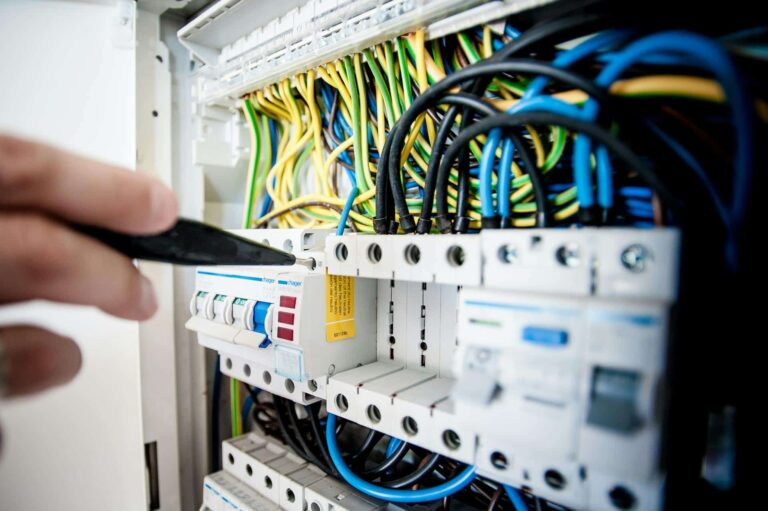
If your home’s electrical panel is outdated, such as a fuse box or a small breaker panel, it may not have the capacity to handle the electrical demands of modern living. Upgrading to a larger, more efficient breaker panel can provide the necessary power and flexibility to support your current and future needs.
Types of Electrical System Upgrades
When it comes to upgrading your home’s electrical system, there are several different types of upgrades to consider. The specific upgrades you’ll need will depend on the age and condition of your existing system, as well as your current and future electrical requirements. Some of the most common electrical system upgrades include:
Panel Upgrade
The electrical panel, also known as the circuit breaker box, is the central hub of your home’s electrical system. If your panel is outdated or undersized, upgrading to a larger, more modern panel can provide the necessary capacity to handle your home’s electrical needs. This may involve increasing the panel’s amperage, adding more circuit breakers, or replacing the entire panel.
Wiring Upgrade
Older homes may have outdated or unsafe wiring, such as knob-and-tube or aluminum wiring, which should be replaced. Upgrading your home’s wiring can improve safety, increase capacity, and ensure compatibility with modern electrical devices and appliances.
Grounding Upgrade
Proper grounding is essential for electrical safety and the protection of your devices. If your home lacks adequate grounding, an electrician can install a new grounding system to ensure your electrical system is properly protected.
Outlet Upgrade
If your home has an insufficient number of outlets or outdated outlet types (such as two-prong outlets), upgrading to modern, grounded outlets can provide the necessary power and flexibility to accommodate your electrical needs.
Smart Home Integration
As technology continues to advance, many homeowners are interested in integrating smart home features, such as automated lighting, climate control, and security systems. Upgrading your electrical system can provide the necessary infrastructure to support these modern technologies, allowing you to take advantage of the latest advancements in home automation and energy management.
Energy Efficiency Upgrades
Upgrading your electrical system can also provide an opportunity to improve the energy efficiency of your home. This may include installing energy-efficient lighting, upgrading to high-efficiency appliances, or incorporating renewable energy sources, such as solar panels, into your electrical system.
Planning and Executing an Electrical System Upgrade
Upgrading your home’s electrical system is a complex and often disruptive process, but with proper planning and execution, you can ensure a successful and seamless transition. Here’s a step-by-step guide to help you navigate the electrical system upgrade process:
Assess Your Needs
The first step in planning an electrical system upgrade is to assess your current and future electrical needs. Consider factors such as the age and condition of your existing system, the number and type of electrical devices and appliances you have, and any plans for home renovations or additions that may impact your electrical requirements.
Consult with a Licensed Electrician
Hiring a licensed and experienced electrician is crucial for ensuring your electrical system upgrade is done safely and up to code. Your electrician can conduct a comprehensive evaluation of your existing system, recommend the appropriate upgrades, and provide a detailed plan for the project.
Obtain Necessary Permits
Depending on your location and the scope of the electrical system upgrade, you may need to obtain permits from your local building or electrical department. Your electrician can guide you through the permitting process and ensure all necessary approvals are in place before the work begins.
Prepare Your Home
Upgrading your electrical system can be disruptive, as it may involve accessing walls, ceilings, and other areas of your home. Before the work begins, take steps to protect your belongings and prepare your living space, such as clearing access routes, covering furniture, and making arrangements for any temporary power outages.
Prioritize Safety
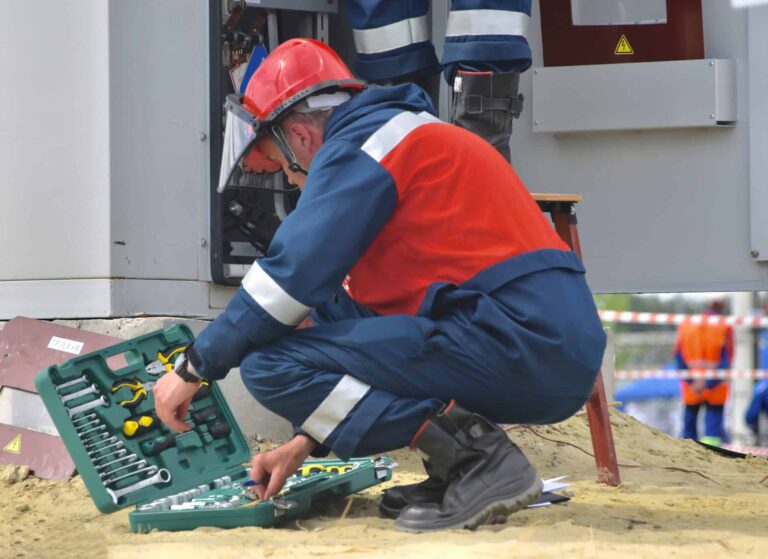
Electrical work can be dangerous, so it’s essential to prioritize safety throughout the upgrade process. Ensure your electrician follows all relevant safety protocols, including proper personal protective equipment (PPE) and safe work practices.
Consider Phased Upgrades
For larger or more complex electrical system upgrades, it may be more practical to break the project into phases. This can help minimize disruption to your daily life and allow you to spread the cost over time.
Communicate with Your Electrician
Throughout the upgrade process, maintain open communication with your electrician. Ask questions, discuss any concerns, and stay informed about the progress and any unexpected issues that may arise.
Inspect and Test the Upgraded System
Once the electrical system upgrade is complete, your electrician should thoroughly inspect and test the new system to ensure it’s functioning correctly and meets all relevant safety standards.
Maintain and Monitor Your Upgraded System
After the upgrade, it’s important to regularly maintain and monitor your electrical system to ensure it continues to operate safely and efficiently. This may include scheduling periodic inspections, replacing worn components, and addressing any issues that arise promptly.
Conclusion
Upgrading your home’s electrical system is a critical investment in the safety, efficiency, and long-term value of your property. By understanding the importance of electrical upgrades, recognizing the signs that it’s time to upgrade, and following a well-planned process, you can ensure your home’s electrical system is up to the task of powering your modern lifestyle.
Remember, electrical work can be dangerous, so it’s essential to work with a licensed and experienced electrician throughout the upgrade process. With the right expertise and planning, you can enjoy the many benefits of a safe, efficient, and future-proof electrical system in your home.