Introduction
As our homes become increasingly reliant on technology and modern conveniences, the need for a reliable and up-to-date electrical system becomes more crucial than ever. Whether you’re looking to power new appliances, add smart home features, or simply ensure the safety and efficiency of your home’s electrical infrastructure, an electrical upgrade can be a transformative project. However, preparing your home for such an undertaking can seem daunting.
In this comprehensive guide, we’ll walk you through the essential steps to get your home ready for a seamless electrical upgrade. From assessing your current system to planning for the installation process, we’ll cover everything you need to know to ensure a successful and stress-free project. By the end of this post, you’ll be equipped with the knowledge and confidence to tackle your electrical upgrade with ease.
Assessing Your Current Electrical System
The first step in preparing for an electrical upgrade is to thoroughly evaluate your home’s existing electrical system. This assessment will help you and your electrician identify any areas that need improvement, as well as determine the scope of the upgrade project.
Inspect Your Electrical Panel
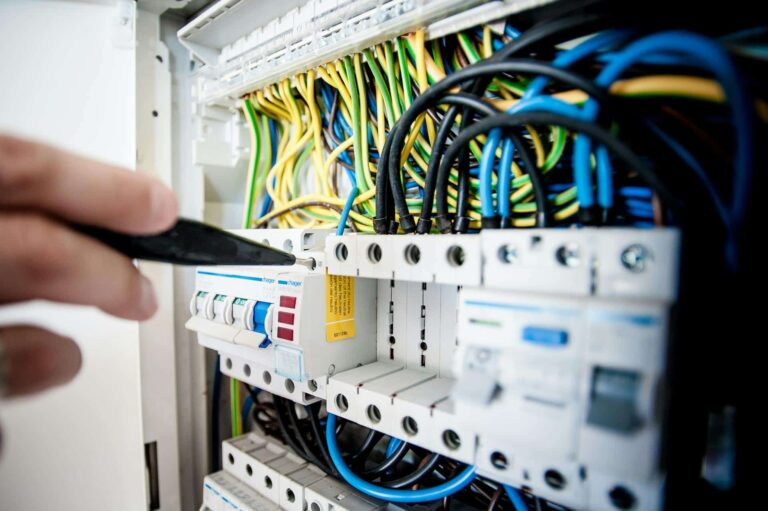
The electrical panel, also known as the circuit breaker box, is the heart of your home’s electrical system. Start by taking a close look at your panel to check for the following:
- Age of the panel: Older panels, especially those installed before the 1990s, may not be able to handle the demands of modern electrical needs. If your panel is more than 20-25 years old, it’s likely time for an upgrade.
- Capacity: Ensure that your panel has enough capacity to support your current and future electrical requirements. Look for the amperage rating, which should be at least 100 amps for most homes.
- Breakers: Check that all the breakers are functioning properly and that there are no tripped or malfunctioning breakers.
- Available spaces: Determine how many available spaces are left in your panel to accommodate new circuits for the upgrade.
Evaluate Your Wiring and Outlets
Next, inspect the wiring and outlets throughout your home. Look for any signs of wear, damage, or outdated materials, such as:
- Exposed or frayed wiring
- Outlets that are loose, damaged, or not properly grounded
- Aluminum wiring, which was commonly used in homes built before the 1970s and can be a fire hazard
- Outdated two-prong outlets that may not be able to handle the power demands of modern appliances
Make note of any areas that need attention, as these will likely be addressed as part of the electrical upgrade.
Identify Your Power Needs
Consider your current and future power needs, taking into account the following factors:
- Existing appliances and their power requirements
- Plans for new appliances, smart home devices, or other high-power equipment
- Charging needs for electric vehicles or power tools
- Potential future expansions or renovations that may require additional electrical capacity
By understanding your power needs, you can work with your electrician to ensure that your upgraded electrical system is properly sized and able to accommodate your home’s current and future demands.
Preparing for the Electrical Upgrade
Once you’ve assessed your current electrical system, it’s time to start preparing for the upgrade process. This involves several important steps to ensure a smooth and efficient installation.
Obtain the Necessary Permits
Depending on your location, most electrical upgrades will require permits and inspections from your local building or electrical authority. Be sure to research the permitting requirements in your area and obtain the necessary permits before the work begins. This will help ensure that the project is completed in compliance with local codes and regulations.
Clear Access to the Work Areas
To make the installation process as efficient as possible, clear access to the areas where the electrical work will be done is crucial. This may involve:
- Removing any furniture, décor, or other items that might obstruct access to the electrical panel, outlets, or wiring runs.
- Ensuring that any attic, basement, or crawl space areas are accessible and free of clutter.
- Communicating with your electrician about any specific access needs or challenges in your home.
By providing a clear and unobstructed work area, you’ll help your electrician work more quickly and safely, ultimately reducing the overall duration and cost of the project.
Plan for Temporary Power Disruptions
During the electrical upgrade, there will likely be periods of time when your home’s power will be temporarily disrupted. Work with your electrician to understand the scope and duration of these outages, and make plans accordingly. This may involve:
- Identifying critical appliances or devices that will need to remain powered during the outages, such as refrigerators, medical equipment, or home security systems.
- Preparing alternative power sources, such as portable generators or power banks, to keep essential items running.
- Communicating the planned power disruptions to your family or household members, so they can adjust their schedules and activities as needed.
By planning for these temporary outages, you can minimize the impact on your daily routine and ensure a smoother transition during the electrical upgrade process.
Prepare for Dust and Debris
Electrical upgrades, especially those that involve extensive wiring or panel replacements, can generate a significant amount of dust and debris. To protect your home and belongings, consider the following:
- Cover or remove any furniture, electronics, or other valuables in the work areas to prevent them from getting damaged or dirty.
- Seal off any doorways or openings to the work areas to contain the dust and debris.
- Discuss with your electrician if they can provide additional dust containment measures, such as plastic sheeting or negative air machines.
- Plan for thorough cleaning and vacuuming once the electrical work is complete.
By taking these precautions, you can help minimize the impact of the dust and debris on your home and make the post-upgrade cleanup process much easier.
The Electrical Upgrade Process
With your home properly prepared, your electrician can now begin the electrical upgrade process. Here’s what you can expect during this phase:
Panel Replacement or Upgrade
If your electrical panel is outdated or lacks the capacity to support your home’s power needs, it will need to be replaced or upgraded. This may involve:
- Removing the old panel and installing a new, larger panel with more circuit breaker spaces.
- Upgrading the main service entrance to increase the overall power capacity of your home.
- Ensuring that the new panel is properly grounded and meets current safety standards.
Your electrician will handle all the necessary permits, inspections, and wiring work to ensure a seamless panel replacement or upgrade.
Wiring Upgrades and Replacements
Depending on the condition of your home’s existing wiring, your electrician may need to upgrade or replace certain sections. This could include:
- Replacing outdated or unsafe wiring materials, such as aluminum or knob-and-tube wiring.
- Adding new wiring runs to support additional circuits or power-hungry appliances.
- Upgrading the wiring to accommodate higher-capacity circuits or larger breakers.
- Ensuring proper grounding and bonding throughout the electrical system.
Your electrician will work diligently to minimize any disruption to your home’s normal operations during the wiring upgrades.
Outlet and Switch Replacements
As part of the electrical upgrade, your electrician may also need to replace outdated or insufficient outlets and switches. This may include:
- Upgrading two-prong outlets to modern, grounded three-prong outlets.
- Adding new outlets in strategic locations to support your power needs.
- Replacing worn or damaged switches with new, high-quality models.
- Ensuring that all outlets and switches are properly installed and functioning.
These upgrades will not only improve the safety and functionality of your electrical system but also enhance the overall aesthetic of your home.
Final Inspection and Testing
Once the electrical upgrade work is complete, your electrician will conduct a thorough inspection and testing of the new system. This may involve:
- Verifying that all circuits are properly labeled and functioning correctly.
- Checking the electrical panel for proper labeling, breaker function, and overall safety.
- Testing outlets and switches to ensure they are correctly wired and grounded.
- Performing any necessary adjustments or troubleshooting to ensure the system is operating at peak performance.
After the final inspection and testing, your electrician will provide you with any necessary documentation, such as permits or warranties, and ensure that you understand the operation and maintenance of your new electrical system.
Enjoying the Benefits of Your Electrical Upgrade
With your home’s electrical system now upgraded and modernized, you can look forward to a host of benefits, including:
Improved Safety and Reliability
A well-designed and up-to-date electrical system is essential for the safety and reliability of your home. By addressing any outdated or hazardous wiring, upgrading your electrical panel, and ensuring proper grounding and circuit protection, you can significantly reduce the risk of electrical fires, shocks, or other dangerous incidents.
Enhanced Efficiency and Performance
Modern electrical systems are designed to be more efficient and capable of handling the power demands of today’s technology-driven homes. With your upgraded system, you can expect improved performance from your appliances, better energy efficiency, and the ability to support the integration of smart home features and high-power devices.
Increased Home Value
Investing in an electrical upgrade can also pay dividends when it comes to the resale value of your home. Potential buyers will appreciate a modern, well-maintained electrical system, as it reduces the need for costly future upgrades and provides peace of mind about the home’s safety and reliability.
Improved Comfort and Convenience
By addressing any power issues or limitations in your home, an electrical upgrade can enhance your overall comfort and convenience. You’ll be able to run multiple high-power devices simultaneously without experiencing flickering lights or circuit breaker trips, and you’ll have the capacity to add new features and amenities as your needs evolve.
Conclusion
Preparing your home for an electrical upgrade may seem like a daunting task, but with the right planning and preparation, it can be a smooth and rewarding process. By thoroughly assessing your current electrical system, obtaining the necessary permits, and working closely with a qualified electrician, you can ensure a successful upgrade that will improve the safety, efficiency, and overall functionality of your home.
Remember, an electrical upgrade is not just a practical investment – it’s also an opportunity to future-proof your home and enhance your daily living experience. So, take the time to plan and prepare, and enjoy the many benefits that come with a modernized electrical system.