The world of home technology is rapidly evolving, with new innovations emerging all the time that are transforming the way we live and interact with our living spaces. Smart home technology, in particular, has seen incredible advancements in recent years, offering homeowners unprecedented control, convenience, and energy efficiency.
In this blog post, we’ll explore the latest trends in smart home technology and electrical systems, examining how these cutting-edge solutions are redefining the modern home. From voice-controlled automation to integrated energy management, we’ll dive into the features and benefits that are shaping the future of residential living.
The Rise of Voice-Controlled Automation
One of the most significant trends in smart home technology is the growing prevalence of voice-controlled automation. Devices like Amazon’s Alexa, Google Assistant, and Apple’s Siri have become increasingly integrated into home systems, allowing homeowners to control a wide range of functions simply by speaking.
Voice-controlled automation goes far beyond basic commands like turning on lights or setting the thermostat. Today’s smart home assistants can be used to manage home security systems, adjust window coverings, play music, and even order groceries – all without lifting a finger. This hands-free approach to home management has proven to be hugely popular, as it offers unparalleled convenience and accessibility.
Moreover, voice-controlled automation is becoming more sophisticated, with the ability to learn user preferences and anticipate their needs. Imagine a home that automatically adjusts the temperature, lighting, and music based on the time of day and your daily routine. This level of personalization and automation is becoming a reality, thanks to advancements in natural language processing and machine learning.
Integrated Energy Management
Another key trend in smart home technology is the focus on integrated energy management. As homeowners become increasingly conscious of their energy consumption and environmental impact, the demand for smart, energy-efficient home systems has grown exponentially.
Smart thermostats, for example, have become a staple in many modern homes. These devices use sensors and algorithms to automatically adjust the temperature based on factors like time of day, occupancy, and weather conditions. By optimizing heating and cooling, smart thermostats can significantly reduce energy usage and lower utility bills.
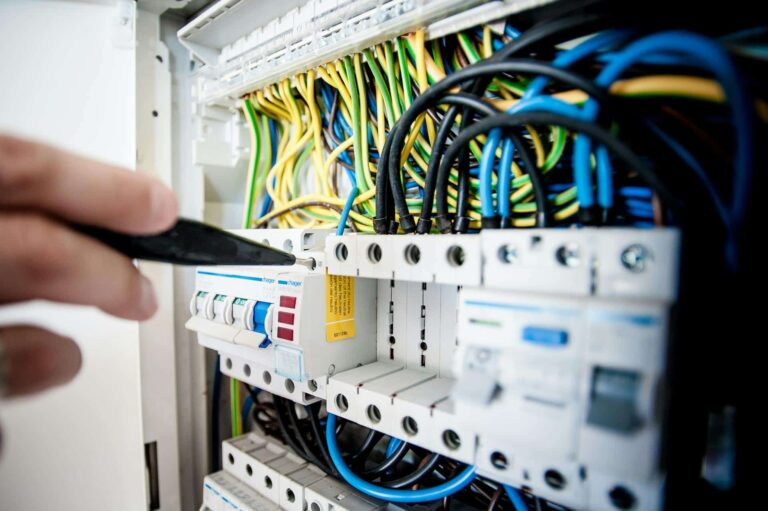
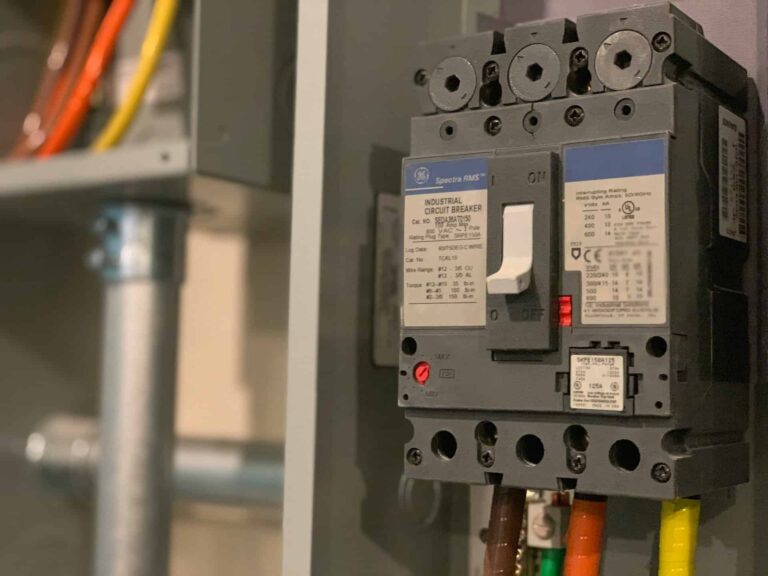
But energy management in the smart home goes beyond just temperature control. Homeowners can now integrate solar panels, battery storage systems, and advanced electrical panels to create a comprehensive, intelligent energy ecosystem. These systems can monitor and optimize energy usage, track renewable energy production, and even enable homeowners to sell excess energy back to the grid.
The benefits of integrated energy management are twofold: not only do they help reduce the environmental impact of residential energy consumption, but they also provide homeowners with greater control over their energy costs and long-term savings.
Enhancing Home Security and Accessibility
Smart home technology is also transforming the way we approach home security and accessibility. Gone are the days of basic alarm systems and lock-and-key access; today’s smart home solutions offer a far more comprehensive and customizable approach to home protection and entry.
Smart security cameras, for example, can be strategically placed around the home to provide real-time monitoring and alert homeowners to any suspicious activity. These cameras can be integrated with other smart home devices, such as lights and locks, to create a seamless security system that can be controlled remotely via smartphone or voice commands.
In addition to security, smart home technology is also enhancing accessibility for homeowners with disabilities or mobility challenges. Automated door openers, voice-controlled lighting and appliances, and even smart home assistants can help make daily tasks easier and more manageable. This level of accessibility not only improves the quality of life for those with special needs but also allows them to maintain their independence and autonomy in their own homes.
Integrating Home Entertainment and Automation
The smart home revolution has also had a significant impact on home entertainment and automation. Today’s homeowners can enjoy a truly integrated and immersive entertainment experience, with seamless control over everything from music and television to gaming and smart home features.
Smart speakers, for instance, have become a ubiquitous part of many households, allowing homeowners to play music, podcasts, and audiobooks with simple voice commands. These speakers can also be integrated with other smart home devices, enabling homeowners to control lighting, temperature, and even home security using just their voice.
Beyond audio, smart home technology is also transforming the way we watch television and movies. Advanced home theater systems can now be controlled using voice commands, smartphone apps, or even gesture-based controls. These systems can also be integrated with other smart home features, such as automated window coverings and lighting, to create a truly immersive entertainment experience.
The Future of Smart Home Technology
As we’ve seen, the world of smart home technology is constantly evolving, with new innovations and advancements emerging all the time. Looking to the future, it’s clear that the smart home of tomorrow will be even more sophisticated, intelligent, and integrated than what we see today.
One area of particular interest is the growing integration of artificial intelligence (AI) and machine learning into smart home systems. As these technologies become more advanced, we can expect to see smart home assistants that are better able to anticipate our needs, learn our preferences, and make autonomous decisions to optimize our living experience.
Additionally, the increasing prevalence of the Internet of Things (IoT) is likely to play a significant role in the future of smart home technology. As more and more household devices become interconnected, the potential for seamless, whole-home automation will only continue to grow.
Another trend to watch is the integration of renewable energy and energy storage solutions. As homeowners become more conscious of their environmental impact and the cost of traditional energy sources, the demand for smart, sustainable home energy systems is sure to rise. This could include advanced solar panels, battery storage, and even the integration of electric vehicles into the home’s power grid.
Conclusion
The world of smart home technology is rapidly evolving, offering homeowners unprecedented levels of control, convenience, and energy efficiency. From voice-controlled automation to integrated energy management, the latest trends in this field are transforming the way we live and interact with our living spaces.
As we look to the future, it’s clear that the smart home of tomorrow will be even more sophisticated, intelligent, and integrated than what we see today. With the continued advancements in AI, IoT, and renewable energy solutions, the possibilities for the smart home are truly limitless.
Whether you’re a tech-savvy homeowner or simply looking to make your living space more comfortable and efficient, staying up-to-date on the latest smart home trends is essential. By embracing these innovative technologies, you can not only enhance your quality of life but also contribute to a more sustainable and energy-conscious future.